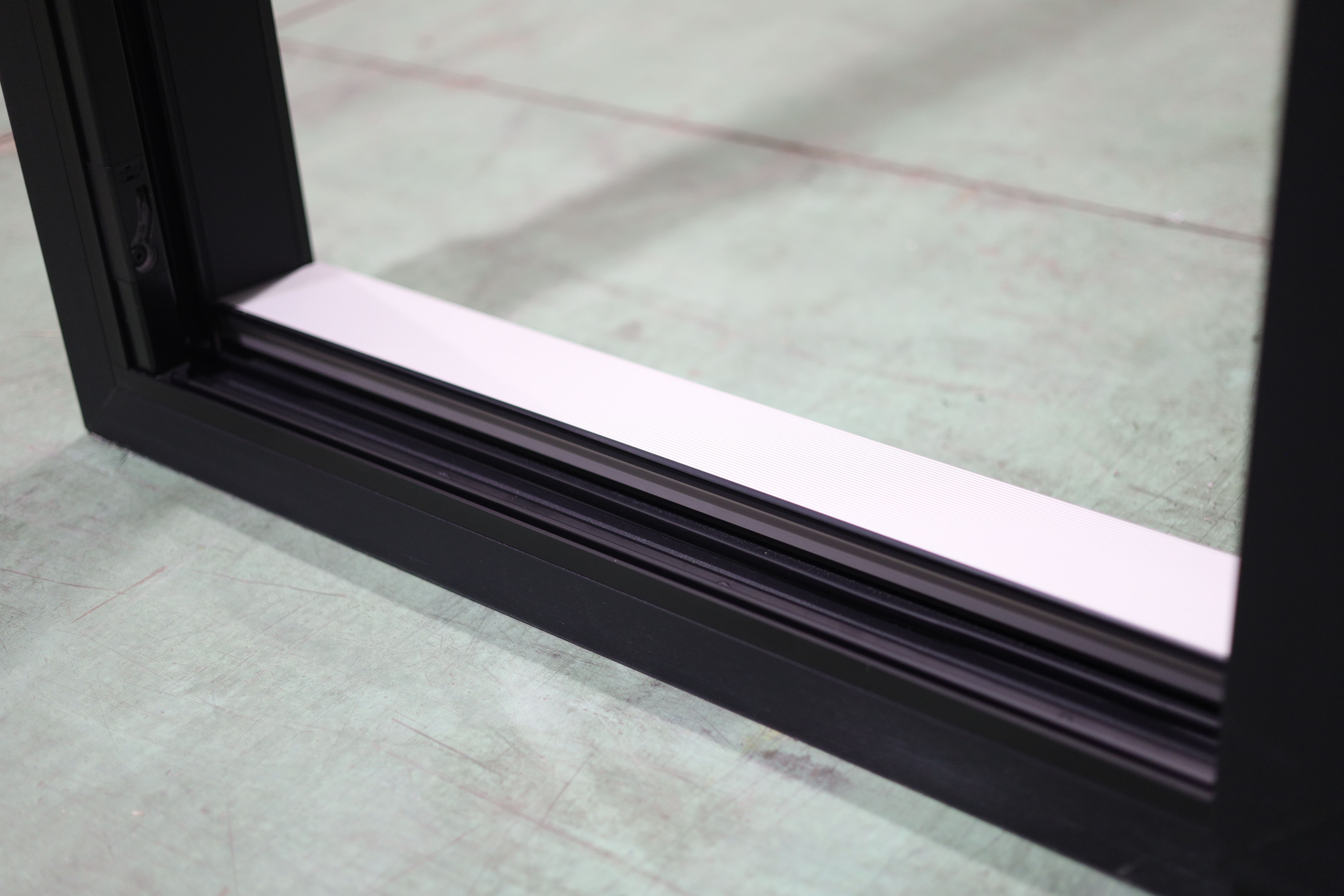
A smart lock that locks itself automatically is a great feature.
But it can also be a problem if the door is open and the motor still tries to lock. That repeated impact against the frame wears down the mechanism over time.
And there's another risk: a door left open without anyone noticing, in an office, an Airbnb, or a storage unit.
That's what the Tedee Door Sensor is for.
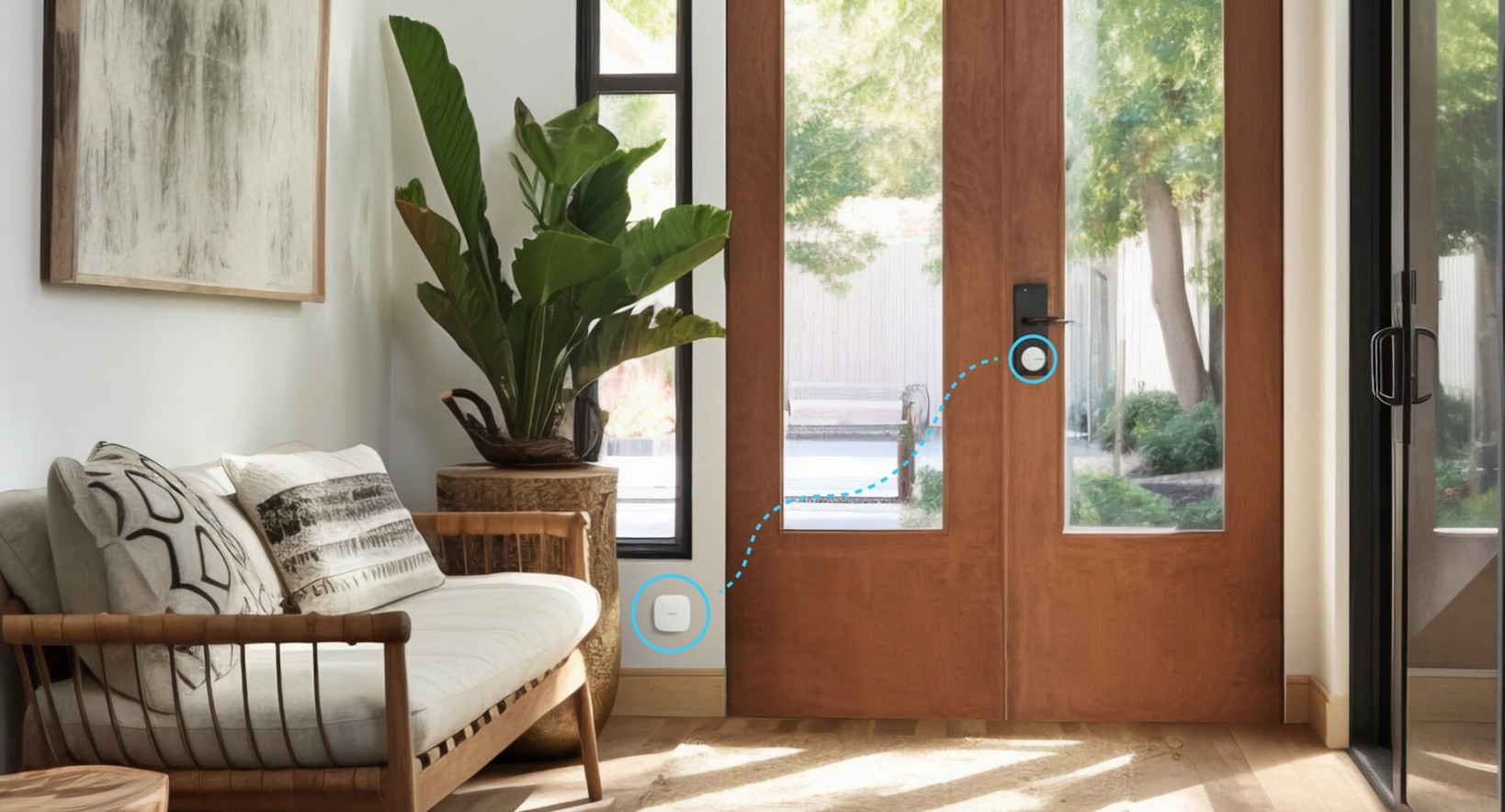
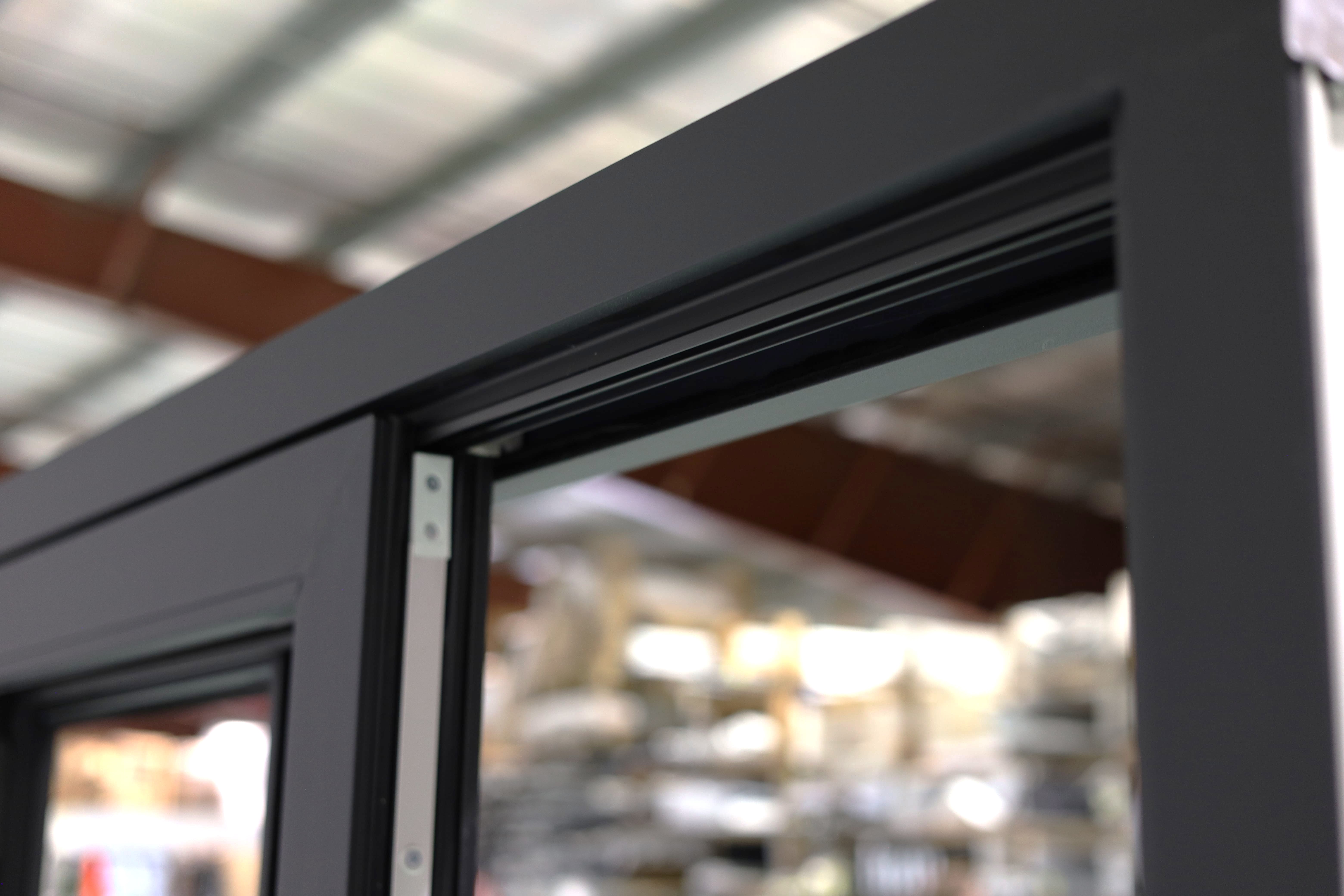
This product is made of two pieces, a sensor and a magnet. One is installed on the door leaf and the other on the frame. The device measures the distance between both pieces to know whether the door is open or closed and passes that data to the Tedee lock over Bluetooth.
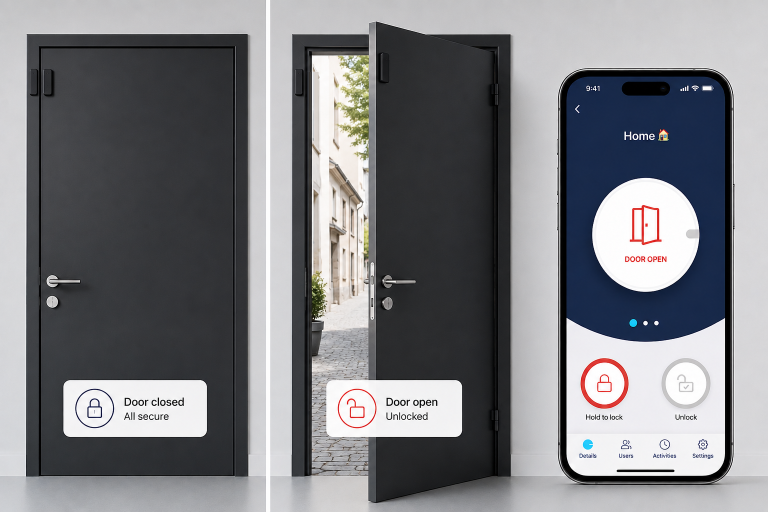
It's available in white and black, so your customer can match it to their door or Tedee lock finish.
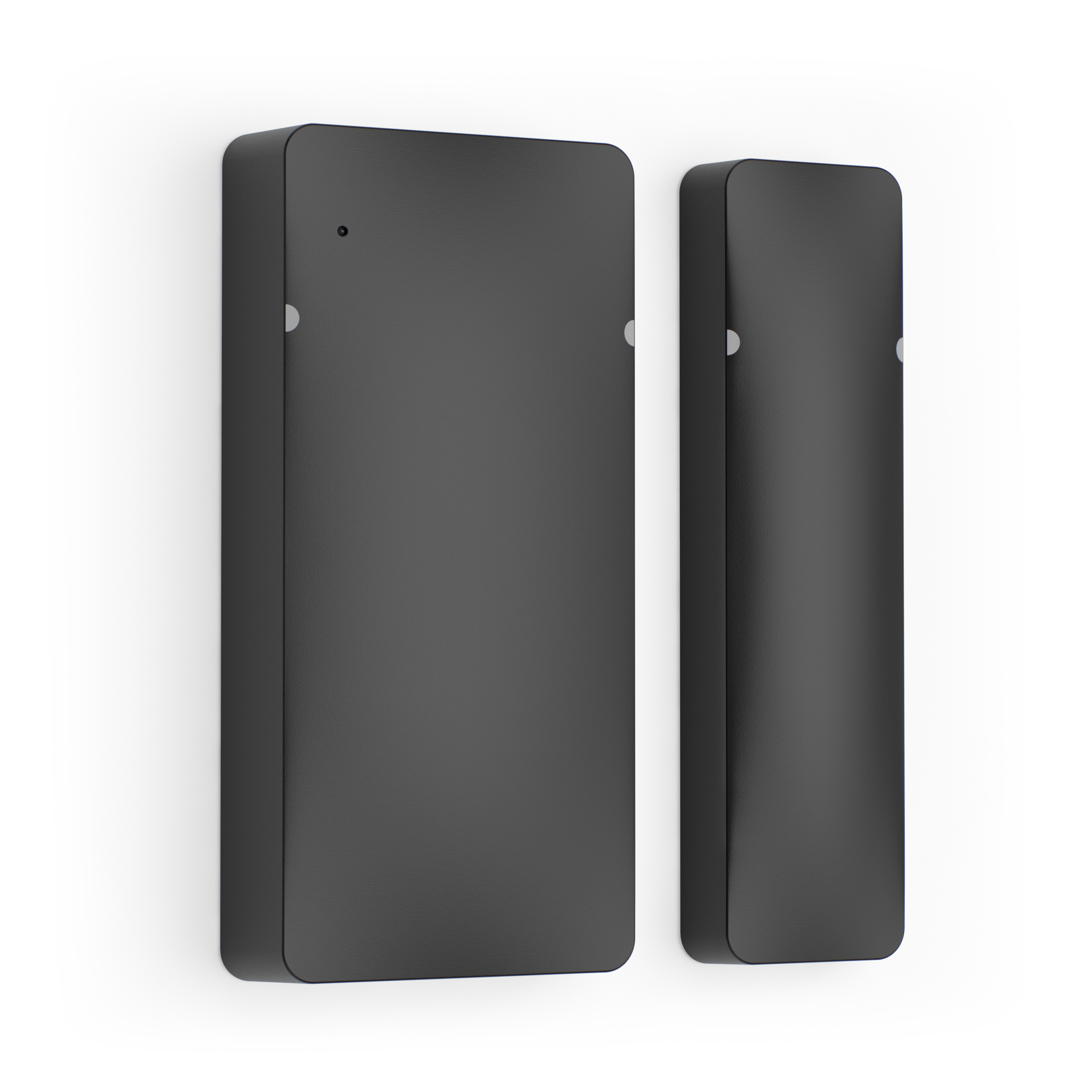
Here's what you can offer your customer once it's installed:
- Prevents false locking attempts. By measuring the door's actual position, Tedee Pro no longer tries to lock while the door is still open. This protects the lock's mechanism and the frame.
- Automatic locking as soon as the door closes. Once the sensor detects the door is back in position, Tedee Pro can lock on its own.
- Real-time status. The app shows whether the door is open or closed, alongside the lock's current state.
- Open-door alerts. If the door stays open longer than expected, the user gets a notification. This is especially useful for your customer managing Airbnb-style properties or commercial spaces.
- Activity logging. Every opening and closing is saved in the lock's activity history, useful for auditing access in buildings or businesses.
Some door sensor features don't depend on the Tedee Bridge, and others do. Without a bridge, the device already prevents false locking, locks automatically, and logs activity locally over Bluetooth. With a bridge, you also get remote real-time status, alerts for a door left open too long, and automatic firmware updates.
Keep in mind that each sensor pairs with only one lock at a time, it can't be shared across multiple doors.
As for installation, it's placed on the interior side of the door, using adhesive pads, with no drilling involved. The pads come perforated to allow a test installation before mounting it permanently.
It's recommended to install it on the door edge farthest from the hinges, horizontally along the top edge. Both pieces have a half-dot marking that needs to line up with each other, and the recommended gap between the sensor and the magnet with the door closed is about 0.1–0.8 in (3–20 mm). The sensor should be placed no more than 6.5 ft (2 m) from the lock for optimal performance.
It runs on a CR2032 battery that lasts up to 2 years, and the user gets an app notification once the level drops below 15%.
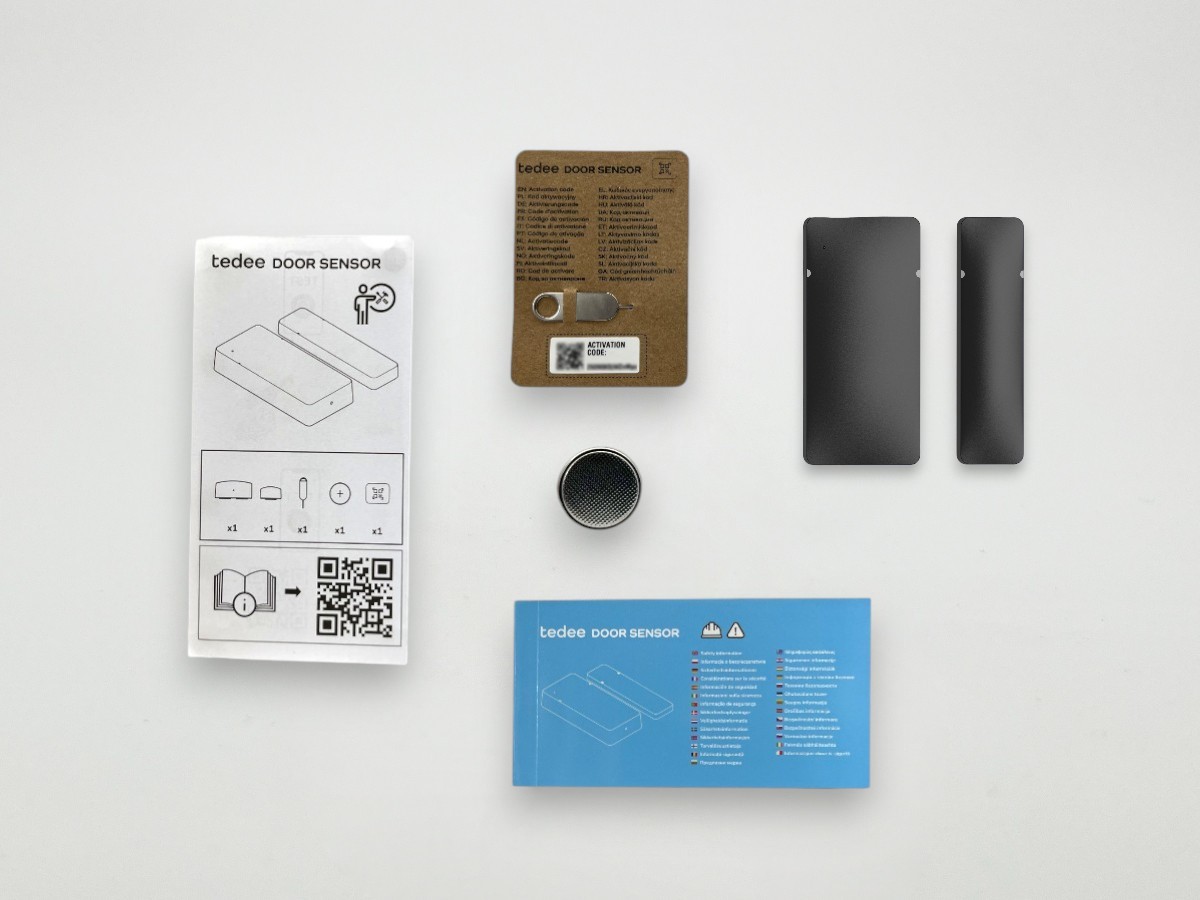
If you have a customer with high-traffic doors, a short-term rental property, or someone who just wants to stop worrying about whether the door was left open, reach out and we'll walk through it together.